
The studio
Interior architecture as the meeting point of place, history, function and human experience.
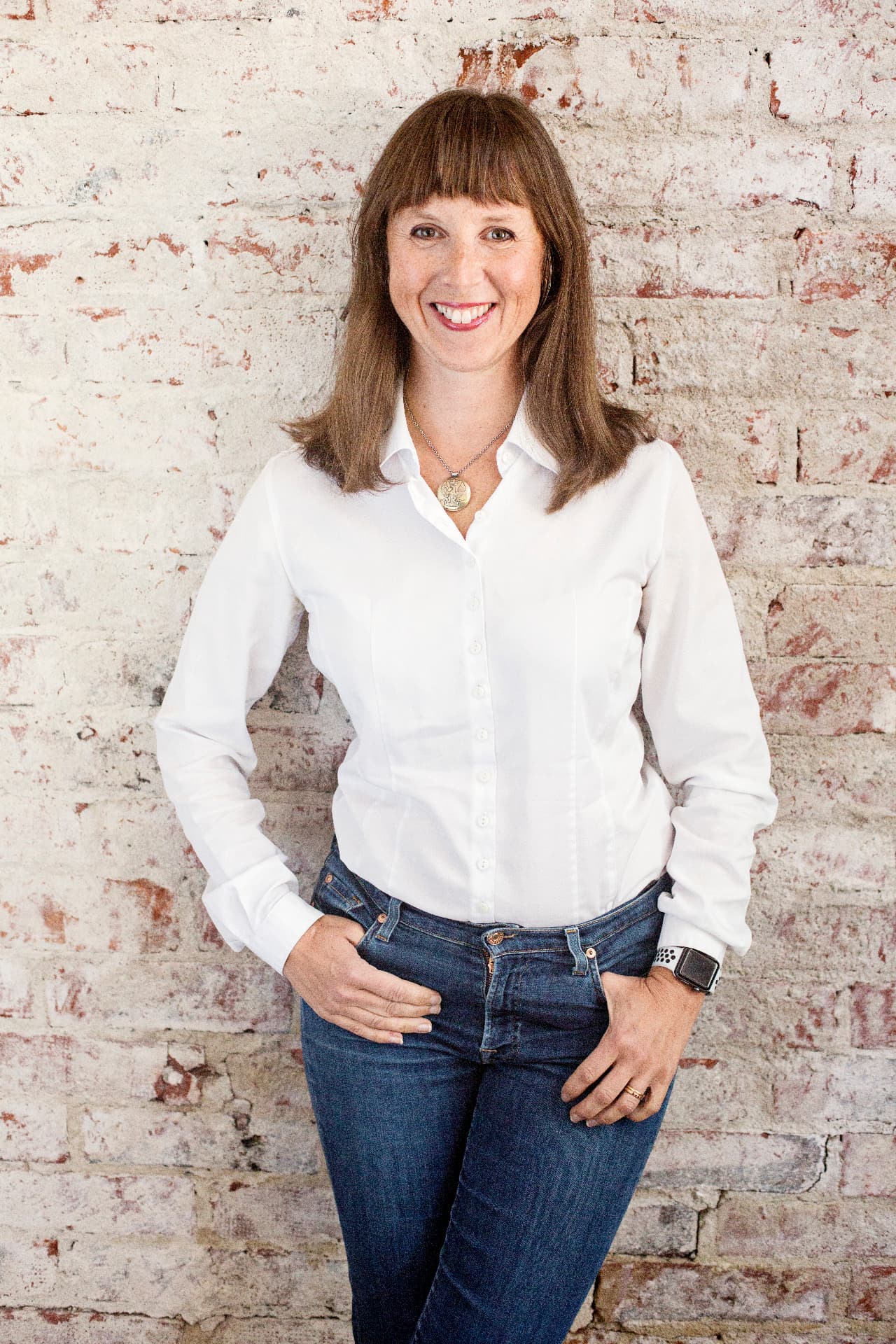
As Owner and Chief Designer of Studio Arcibella, I lead the creation of concept-driven environments that are both spatially meaningful and commercially sound. My work often centres on hospitality and experiential spaces, where design plays a direct role in how people feel, remember and return — but my approach extends to any context where architecture, identity and use must align.
With a background in interior architecture from Milan (IED) and an MBA from Aalto University, I combine design thinking with business understanding. This allows me to work fluently between concept, strategy and execution, always with the end user in focus. I believe the most successful spaces are those that respect their context, tell a clear story and continue to perform culturally, experientially and economically — over time.
Good design should feel natural to its context, yet belong unmistakably to its own time. Throughout my career, I have sought to create interiors that are not merely visually compelling, but meaningful, functional and enduring — spaces that improve everyday life and grow more valuable through use and time.
Beauty is not a luxury. It is part of how we experience, remember and care for the spaces around us.Work with the studio
Design philosophy — grounded in what is real
We don't invent stories.We uncover them.
Our work begins with research: the history, architecture, culture and purpose of a place, and the ambitions of our client. From these, we build contemporary interiors with their own identity.
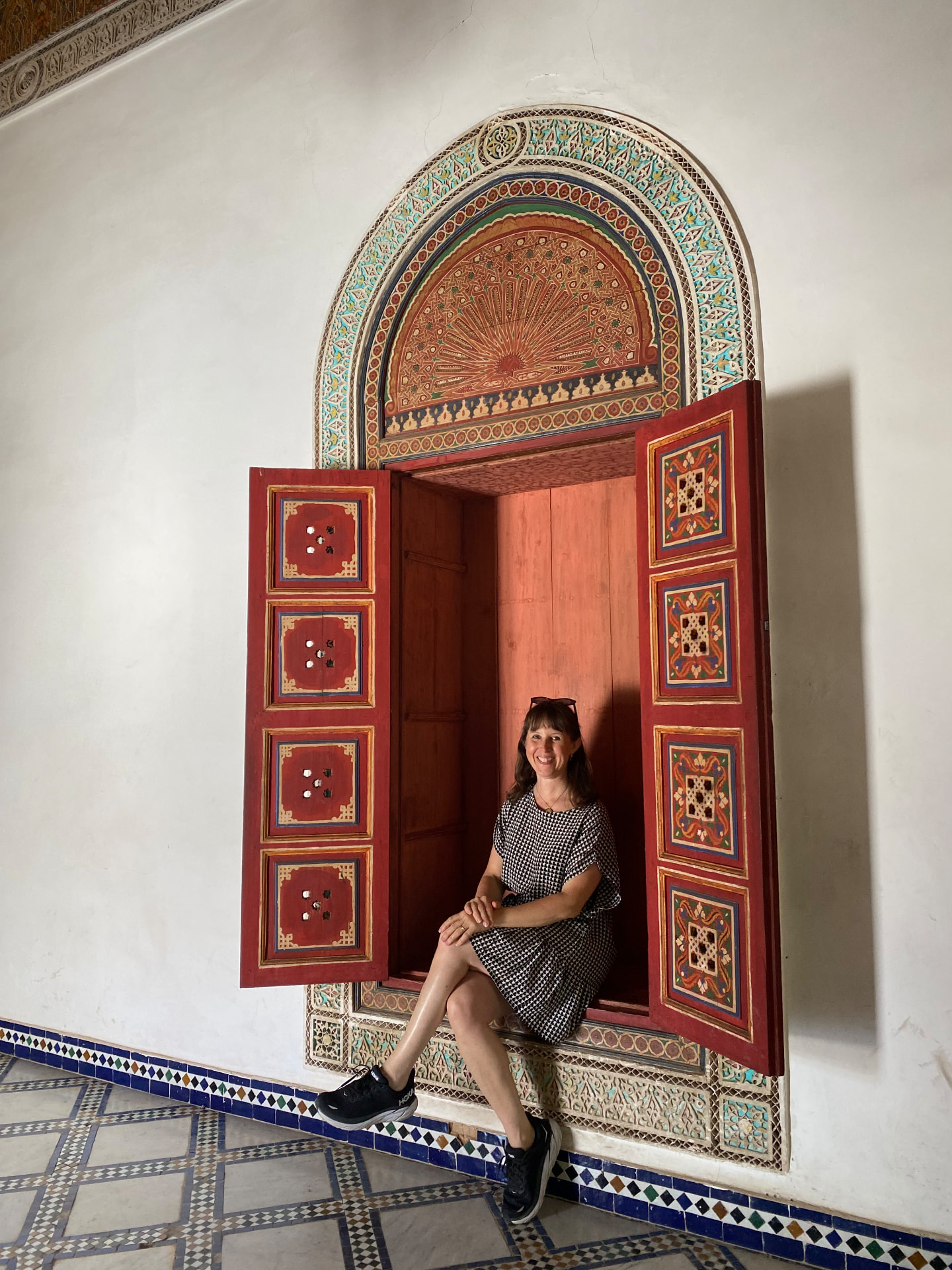
Old and new
Bringing old and new together
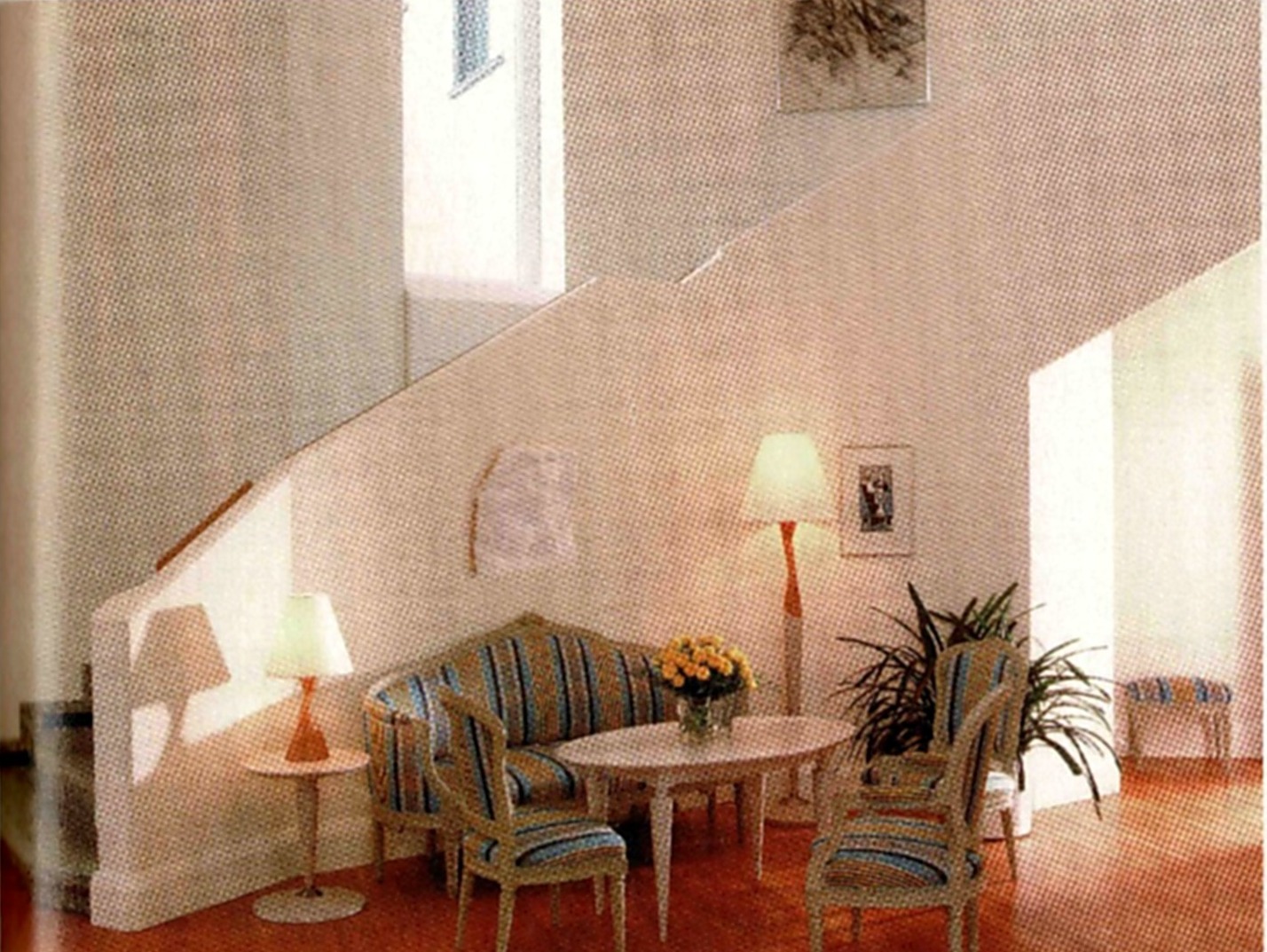
A recurring line in our work: historic pieces, crafts and architecture set against contemporary design, so each makes the other more visible. The result belongs to its place — and unmistakably to its own time.
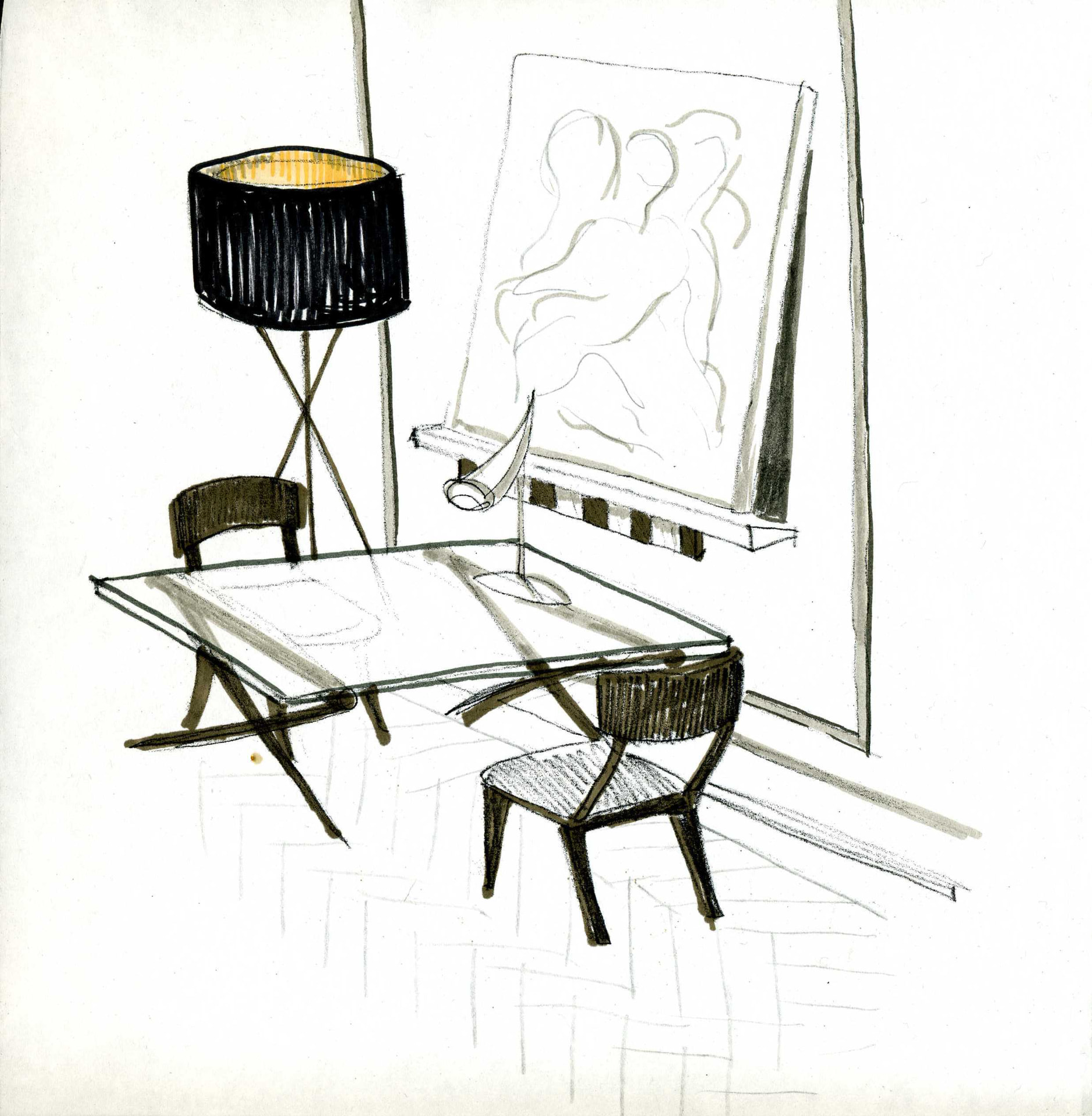
From hand to space
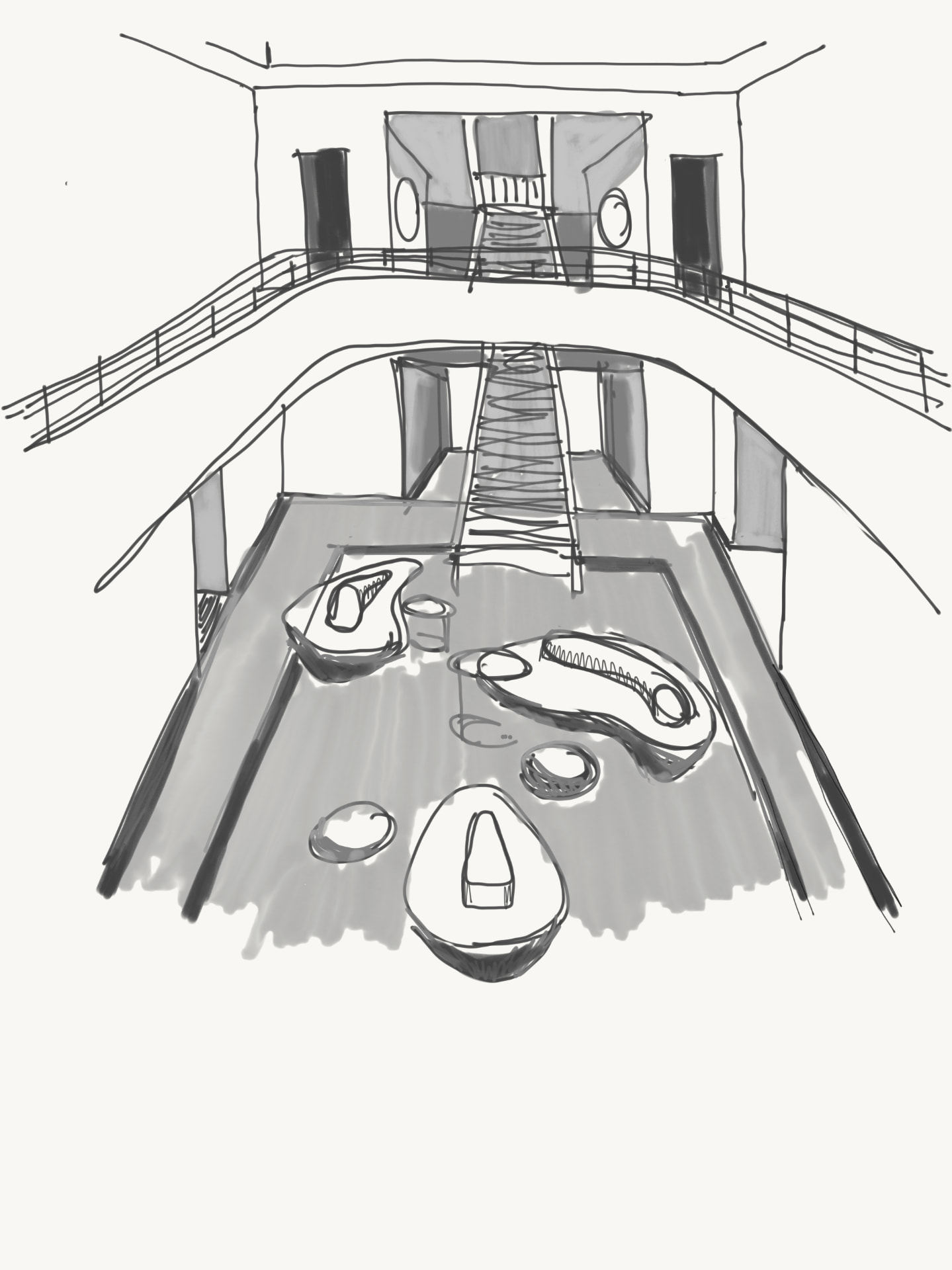
Every concept begins as a drawing
Before plans, materials and budgets, there is a sketch — the fastest way to test how a space will feel. The hand keeps the idea open long enough to find the right one.
Beauty is not a luxury.
Beauty affects how we experience a place and whether we want to return.
Long-lasting is sustainable.
Good design should endure functionally, aesthetically and emotionally. Longevity reduces unnecessary reinvestment and creates lasting value.
The spaces that matter are the ones people want to return to.
Context → Identity → Longevity