Hospitality · 18 August 2026 · 7 min read
Hospitality interior design: what actually shapes a guest's memory
Guests rarely remember a floor plan. They remember arrival, light, sound and how a room made them behave. Hospitality interior design is the discipline of making those things deliberate.
Start with the sequence, not the surface
A hotel or restaurant is experienced as a sequence: the street, the threshold, the first pause, the table or the bed, the return to the door. Each step sets expectations for the next. When a concept is written as a sequence rather than a mood board, the design brief becomes testable — we can ask whether the second step still delivers what the first one promised.
In practice this means deciding early where a guest slows down, where they are given a view, and where the building is allowed to speak for itself. Those decisions cost nothing on paper and are almost impossible to retrofit once the structure is fixed.
Let the building supply the story
Applied themes age badly. A former industrial block, a 1930s office building or a wooden villa already carries a language of construction, proportion and craft. Interior architecture that builds from that language produces interiors that still read well ten years later, because the reference is the place itself rather than a passing style.
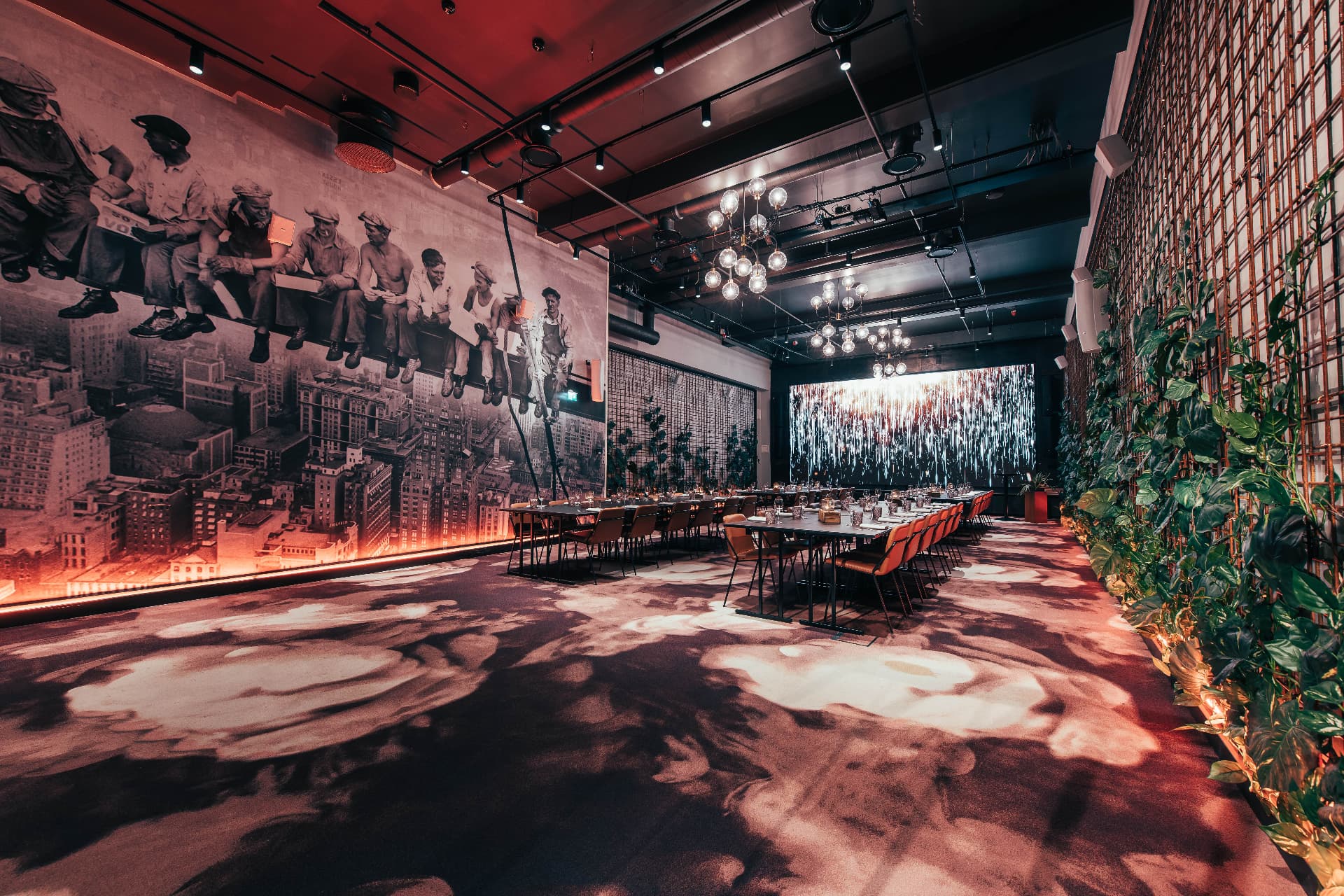
At Clarion Hotel Mestari the trade of the building — the master builders' craft — became the source of material, detail and even the custom luminaires. Nothing had to be invented, only uncovered and made precise.
Design lighting as material
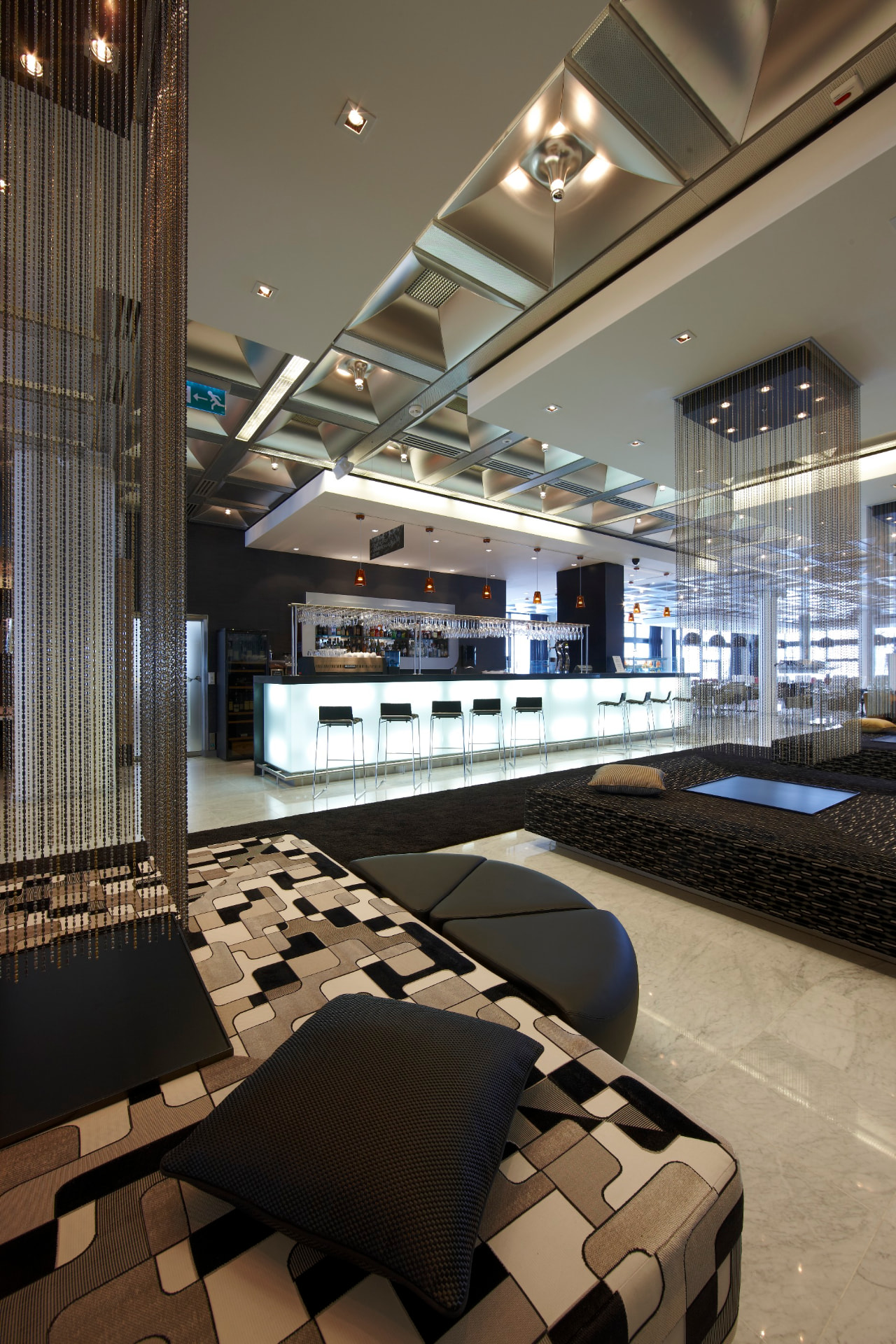
In hospitality, lighting is not equipment added at the end; it is the material that decides how every other material performs. Warmth, contrast, glare control and the height at which light sits determine whether a room feels generous or clinical after dark.
Custom luminaires are often the most efficient way to give a property an identity guests can photograph and remember, and they can be specified within a normal FF&E budget when they are designed into the concept from the beginning.
Hold the commercial case in the same hand
Capacity, dwell time, service routes, cleaning, wear and the cost of replacement belong in the design brief. A beautiful bar that cannot be served efficiently loses money nightly; a durable material choice pays for itself over a refurbishment cycle.
The most successful hospitality interiors are the ones that continue to perform culturally, experientially and economically over time — which is another way of saying the design and the business plan were never separate documents.